
Agriculture & animals
Greenhouse growing conditions
Find the hot, cold and humid pockets hidden inside one growing space.
Plan your monitoring →
The application in practice
Mapping differences across a growing space
A closer look at the challenge, the monitoring approach and the outcome described in Monnit’s application guide.
The challenge
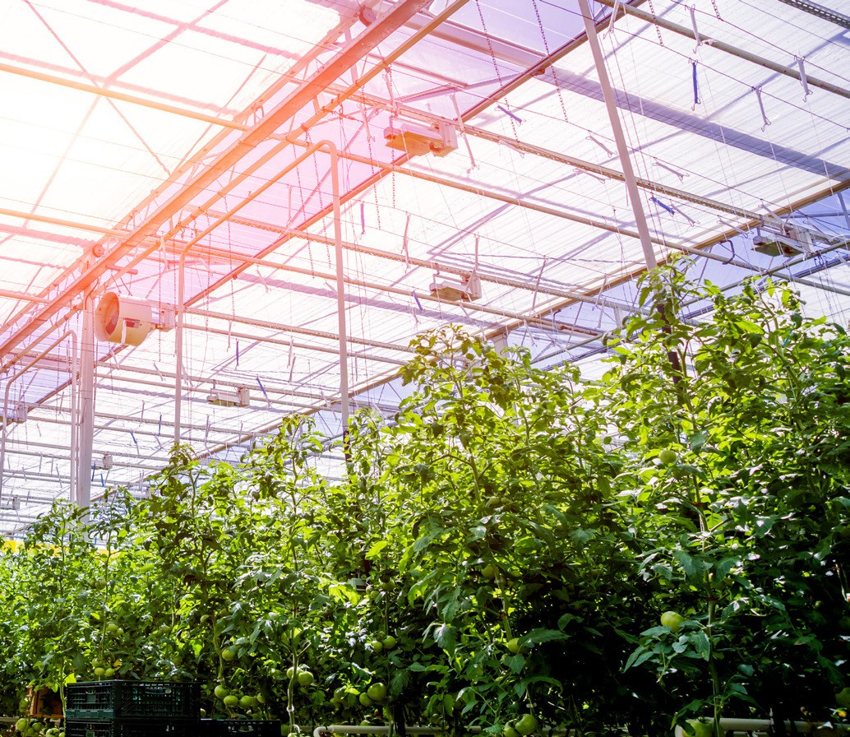
A grower saw uneven plant growth across new greenhouses and needed to understand whether conditions differed between areas. Treating the whole greenhouse as one climate zone risked overcorrecting.
The monitoring setup
Sensors were arranged in a grid above the plants to measure temperature, humidity and other growing conditions. Gateways sent data to iMonnit, where a map displayed readings against the greenhouse layout.
The reported outcome
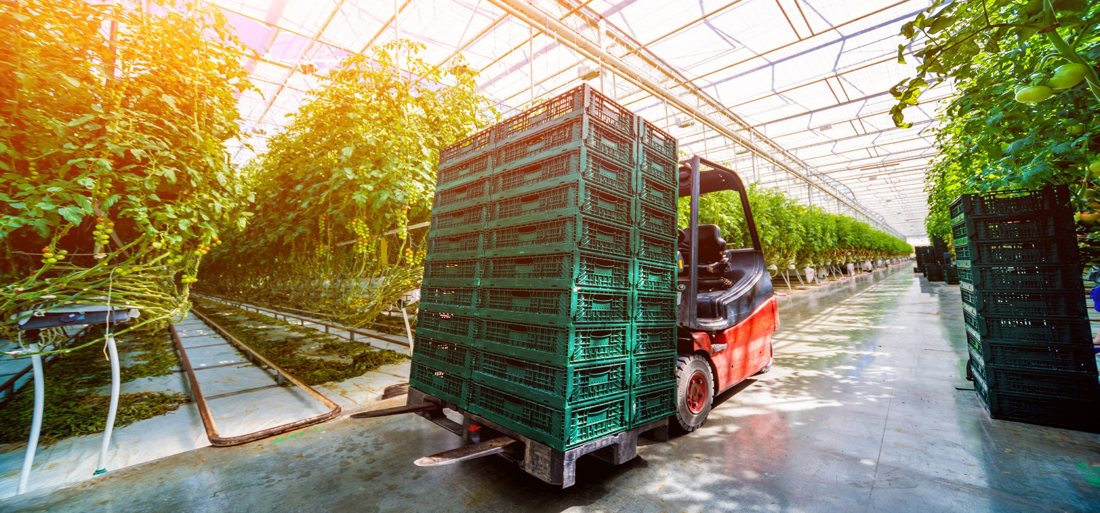
Monnit reports that the measurements exposed warmer and cooler areas with differing humidity. The grower could target environmental adjustments by location instead of relying on a single reading to represent the entire growing space.
Case-study information and photography: Monnit. Reported results relate to the installation described; your project’s design and results will depend on its requirements.
A practical starting point
Measure. Understand. Act.
Where to start
Arrange sensors across representative crop zones at comparable heights. Include sunny edges and cooler areas rather than relying on one central reading.
A change worth investigating
A growing zone diverges from the crop team's agreed temperature or humidity range.
Example scenario. Set limits and timing for your own site.Turn the alert into action
Check shading, ventilation and irrigation patterns, then compare the zone against neighbouring readings.
Build your system
Measurements to consider
Use these as a shortlist. The right model depends on the range, environment, installation and accuracy you need.
Temperature
Follow heating, cooling and storage conditions over time. Match the probe range and calibration to your application.
Explore sensors →Humidity
Track relative humidity and compare changes with room conditions, occupancy or ventilation.
Explore sensors →PAR Light Meter
Measure photosynthetically active radiation when assessing the light available to plants.
Explore sensors →Water Detect
Detect water at a chosen point near vulnerable plumbing or equipment.
Explore sensors →Plan for the real environment
Before you start
What matters for this application
Light measurements must match the question: crop-light assessment may need PAR rather than a general light meter. Requirements vary by crop and growth stage.
How do the sensors connect?
ALTA sensors need a compatible gateway, internet connection and monitoring software. Suitable Wi-Fi models connect through a compatible Wi-Fi network. Confirm radio frequency, coverage and power arrangements at the actual installation points before choosing equipment.
Explore gateways →How quickly will an alert arrive?
Timing depends on sensor settings, reporting intervals, connectivity and notification rules. Email, SMS and voice options vary by service and plan. Test a controlled event, check that the nominated person receives it and confirm what happens if a device stops reporting.
Understand software and alerts →What should we prepare for a pilot?
Bring a site plan, the equipment or spaces to monitor, expected conditions, required accuracy and the names of the people who respond. Agree a trial period and a review date. Compare sensor readings with an appropriate reference and document any gaps in coverage or response.
Keep exploring
Related applications
 Agriculture & animals
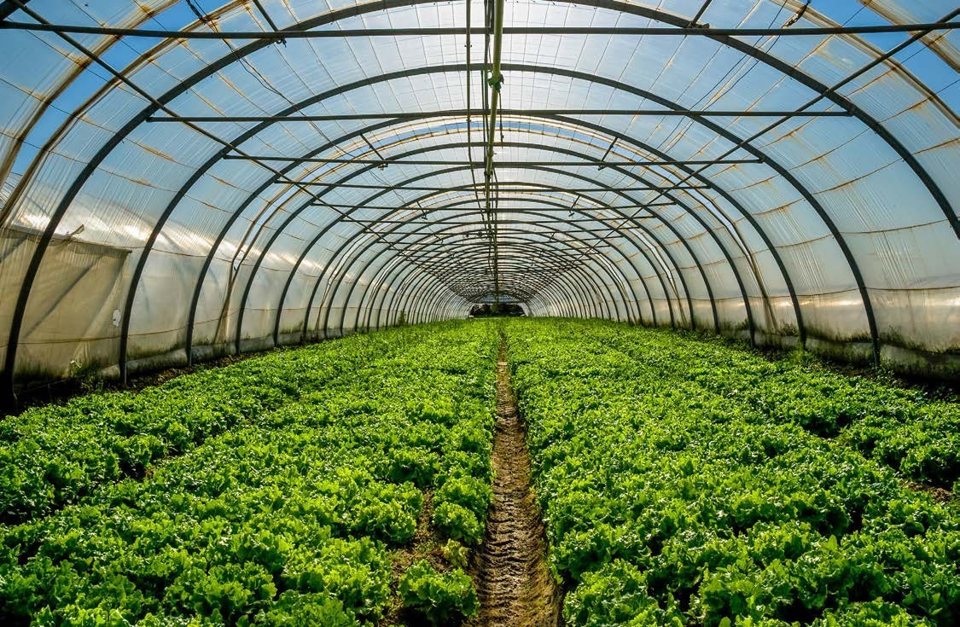
Farm ventilation automation
Use conditions at crop level to plan more responsive greenhouse ventilation.
 Agriculture & animals
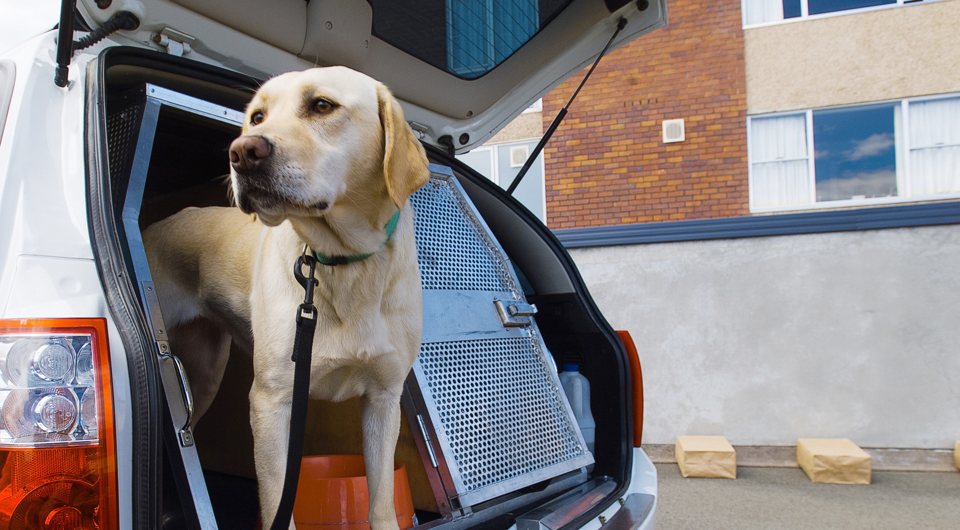
K9 kennels & animal environments
Keep animal housing conditions visible alongside hands-on care.
 Agriculture & animals
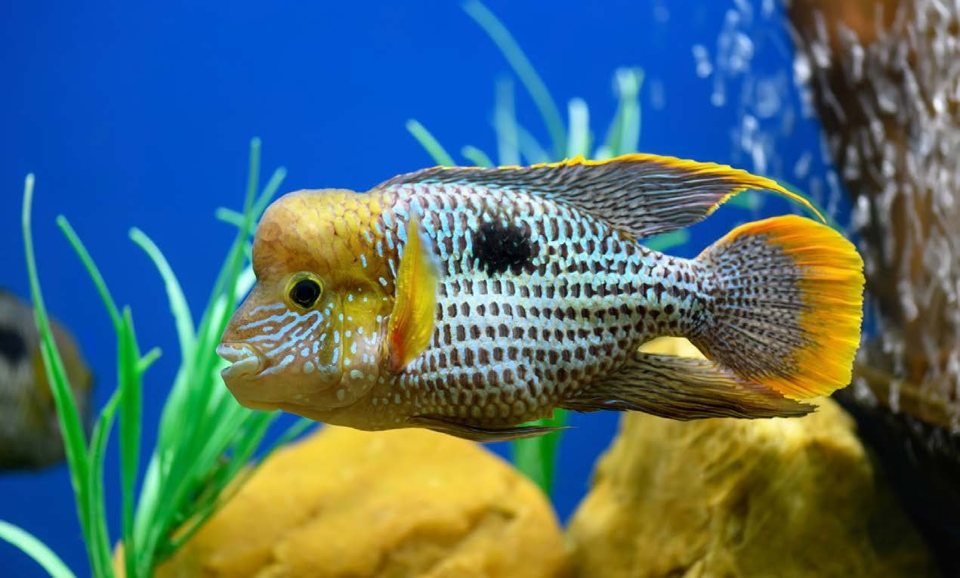
Fish farms & aquaculture
Follow water temperature across tanks without relying on occasional spot checks.
Let's make it useful
A monitoring plan for your world.
Tell us what you want to protect, where it is and what you need to know. We'll help you choose a practical starting point.