
Food & cold chain
Restaurants & food services
Keep cold-storage conditions visible through busy service and quiet nights.
Plan your monitoraggio →
The application in practice
Catching a cooler door left open after a shift
A closer look at the challenge, the monitoring approach and the outcome described in Monnit’s application guide.
The challenge
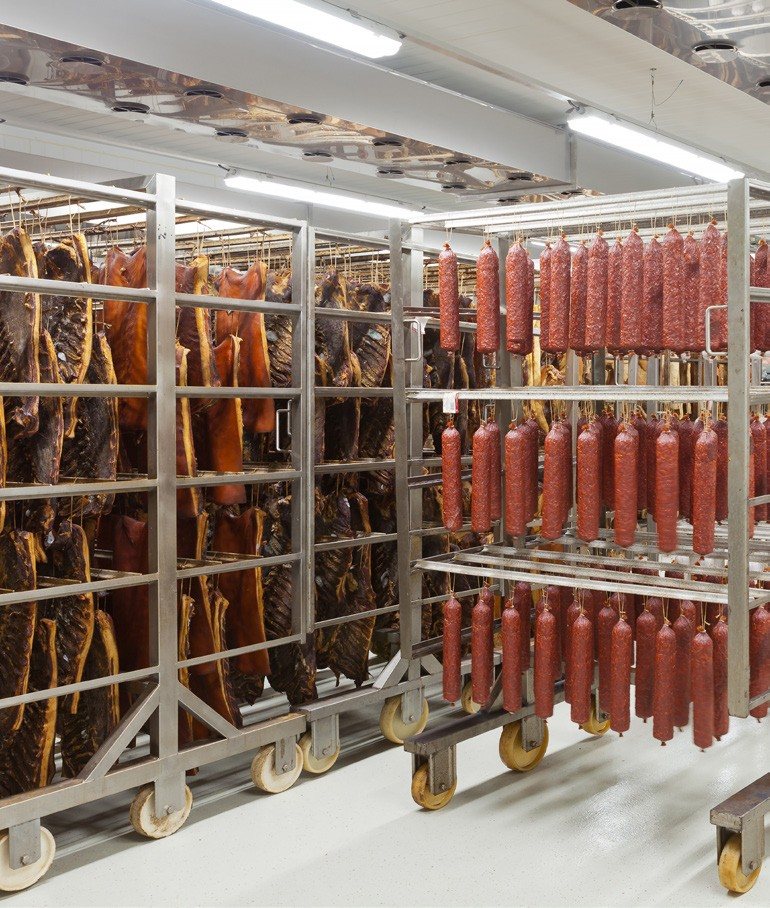
A restaurant franchise had lost stock after a cooler failure went unnoticed. Manual checks left gaps between readings, particularly when staff were busy or the kitchen was closed.
The monitoring setup
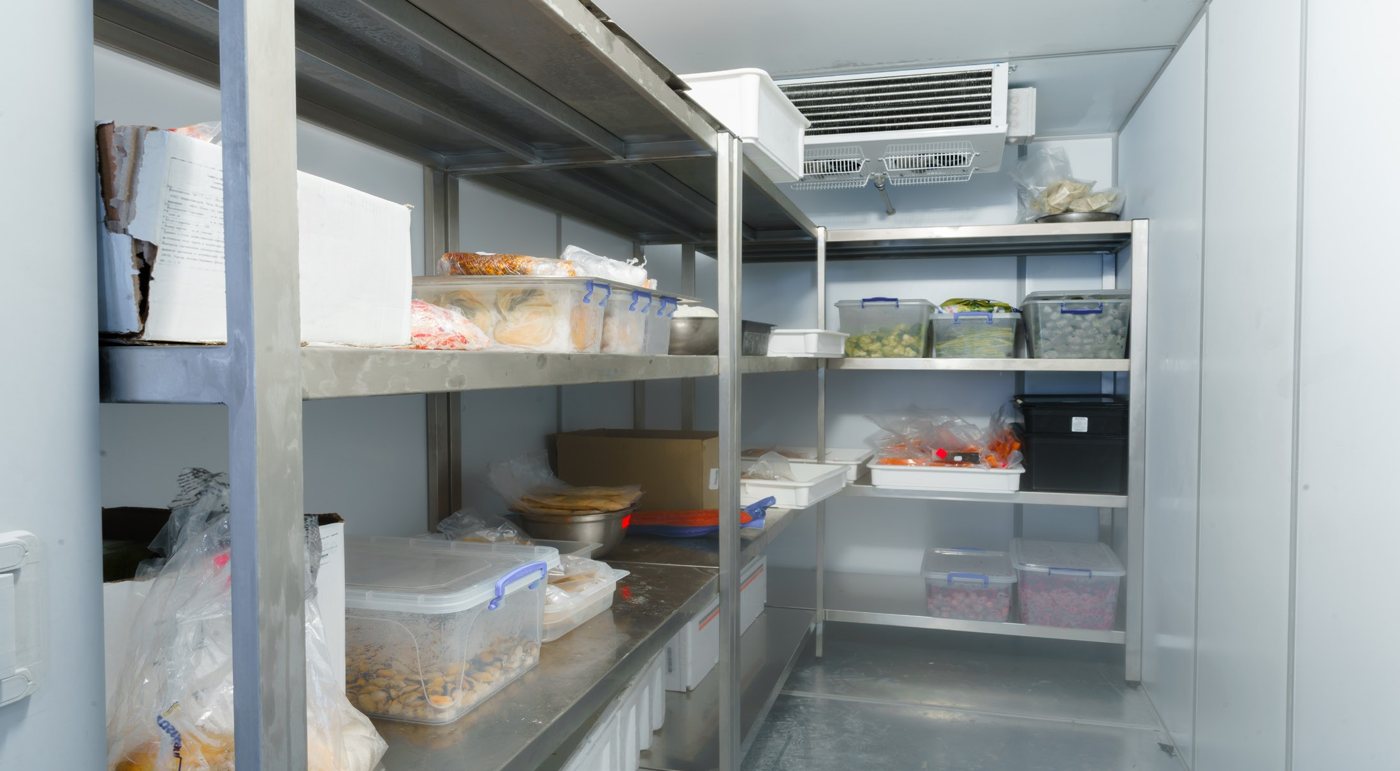
Leaded temperature probes monitored walk-in coolers and freezers, while open/closed sensors tracked their doors. A gateway connected them to iMonnit so managers could review readings and receive configured alerts remotely.
The reported outcome
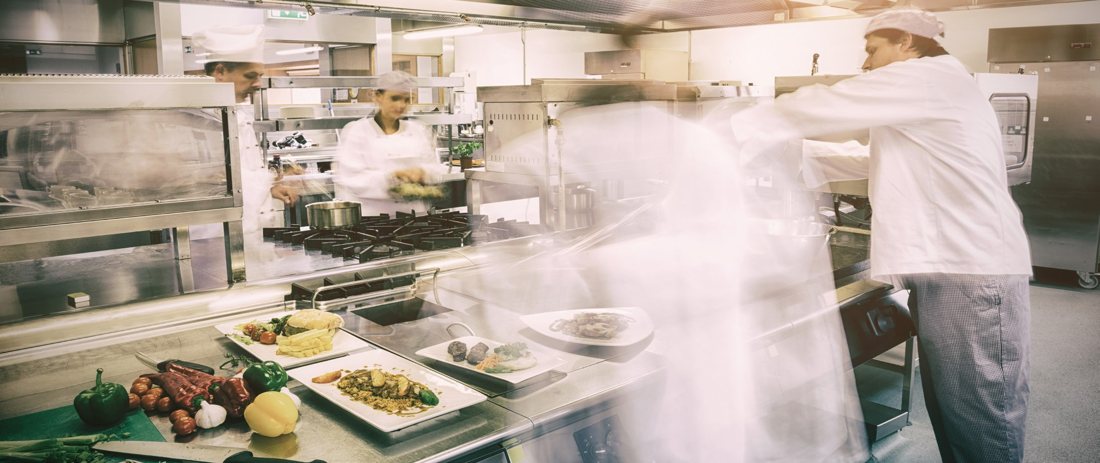
The manufacturer describes an alert after a cooler door was left open at the end of a shift. The franchise subsequently expanded the approach to other restaurants, combining temperature records with door events to support investigations.
Case-study information and photography: Monnit. Reported results relate to the installation described; your project’s design and results will depend on its requirements.
A practical starting point
Misurare, capire, agire.
Where to start
Start with the fridge or freezer whose failure would cause the greatest disruption. Position a suitable probe in a representative storage location and monitor the door.
A change worth investigating
Temperature remains outside your food-safety plan's limit, or a door stays open longer than expected.
Example scenario. Set limits and timing for your own site.Turn the alert into action
Check the unit and door, verify temperatures with the approved method, and follow the site's stock assessment and escalation procedure.
Build your system
Measurements to consider
Use these as a shortlist. The right model depends on the range, environment, installation and accuracy you need.
Temperatura
Follow heating, cooling and storage conditions over time. Match the probe range and calibration to your application.
Explore sensori →Aperto / chiuso
Record door or window opening events and investigate prolonged openings.
Explore sensori →Rilevamento acqua
Detect water at a chosen point near vulnerable plumbing or equipment.
Explore sensori →Plan for the real environment
Before you start
What matters for this application
Air temperature and food temperature are different measurements. Choose any buffer, calibration and recording interval to fit your food-safety process.
How do the sensors connect?
ALTA sensors need a compatible gateway, internet connection and monitoring software. Suitable Wi-Fi models connect through a compatible Wi-Fi network. Confirm radio frequency, coverage and power arrangements at the actual installation points before choosing equipment.
Esplora i gateway →How quickly will an alert arrive?
Timing depends on sensor settings, reporting intervals, connectivity and notification rules. Email, SMS and voice options vary by service and plan. Test a controlled event, check that the nominated person receives it and confirm what happens if a device stops reporting.
Understand software and alerts →What should we prepare for a pilot?
Bring a site plan, the equipment or spaces to monitor, expected conditions, required accuracy and the names of the people who respond. Agree a trial period and a review date. Compare sensor readings with an appropriate reference and document any gaps in coverage or response.
Keep exploring
Related applications
 Food & cold chain
Convenience stores
See the difference between a busy display and a cabinet that is struggling.
 Food & cold chain
School kitchen fridges & freezers
Keep an eye on school food stores over weekends and holidays.
 Food & cold chain
Perishable food production
Follow environmental conditions from processing areas to chilled storage.
Let's make it useful
A monitoring plan for your world.
Tell us what you want to protect, where it is and what you need to know. We'll help you choose a practical starting point.