
Agriculture & animals
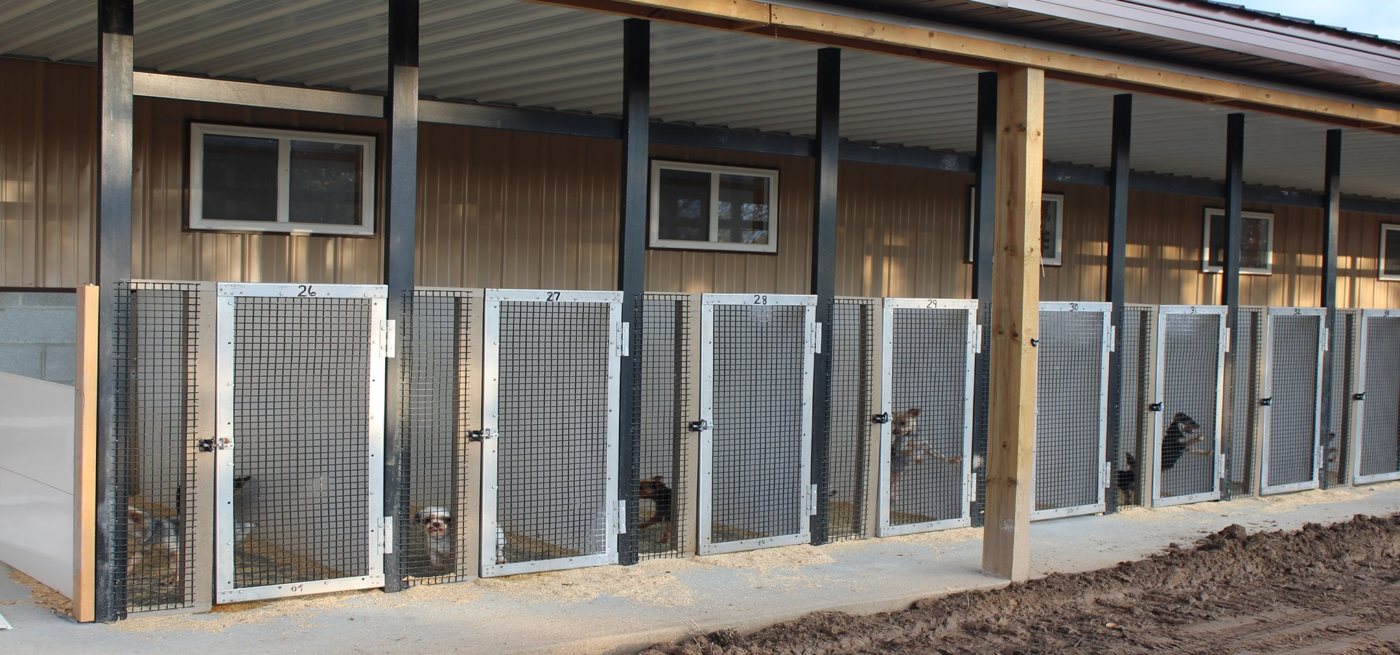
K9 kennels & animal environments
Keep animal housing conditions visible alongside hands-on care.
Plan your Seguimiento →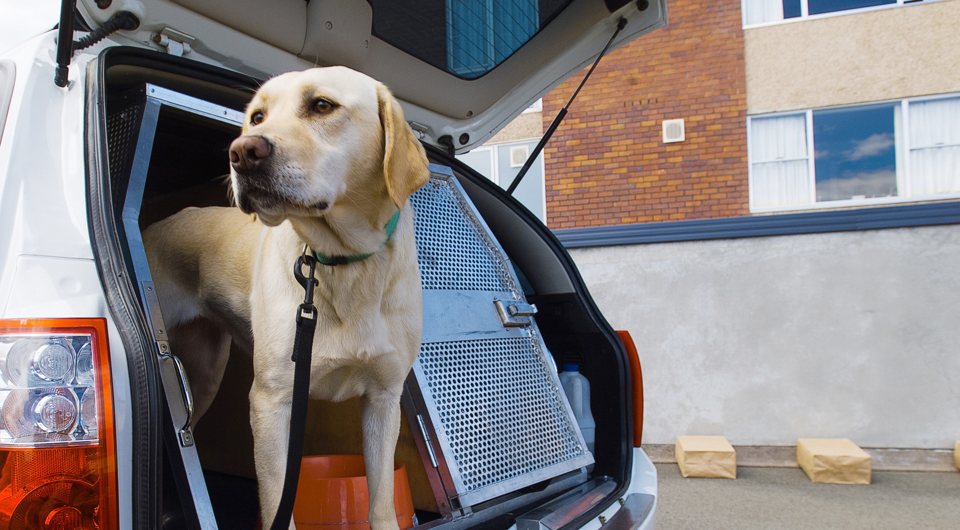
The application in practice
Environmental alerts for K9 facilities
A closer look at the challenge, the monitoring approach and the outcome described in Monnit’s application guide.
The challenge
A law-enforcement agency sought better temperature visibility after a patrol-vehicle cooling failure. The concern extended to kennel conditions when dogs were off duty.
The monitoring setup
The project combined temperature and humidity monitoring with gateways in facilities and specialist vehicle installations. Leak, access and HVAC measurements supported wider kennel maintenance.
The reported outcome
Monnit reports that environmental alerts helped officers and staff investigate unsafe conditions. A vehicle installation requires a suitable, tested design and response plan; remote notifications should never replace direct animal supervision or dedicated vehicle safety systems.
Case-study information and photography: Monnit. Reported results relate to the installation described; your project’s design and results will depend on its requirements.
A practical starting point
Medida, entender, actuar.
Where to start
Agree environmental limits and response times with the responsible animal-care team. Monitor representative occupied kennel zones and check ventilation performance.
A change worth investigating
Temperature rises outside the care team's limit or a leak affects an occupied animal area.
Example scenario. Set limits and timing for your own site.Turn the alert into action
Arrange immediate direct assessment by the responsible carer and follow the animal-welfare response plan.
Build your system
Measurements to consider
Use these as a shortlist. The right model depends on the range, environment, installation and accuracy you need.
Temperatura
Follow heating, cooling and storage conditions over time. Match the probe range and calibration to your application.
Explore sensores →Humedad
Track relative humidity and compare changes with room conditions, occupancy or ventilation.
Explore sensores →Detección de agua
Detect water at a chosen point near vulnerable plumbing or equipment.
Explore sensores →Abierto / cerrado
Record door or window opening events and investigate prolonged openings.
Explore sensores →Plan for the real environment
Before you start
What matters for this application
Remote alerts supplement supervision; they do not make leaving an animal unattended in a vehicle safe. Vehicle installations need a specialist assessment of response timing and failure modes.
How do the sensors connect?
ALTA sensors need a compatible gateway, internet connection and monitoring software. Suitable Wi-Fi models connect through a compatible Wi-Fi network. Confirm radio frequency, coverage and power arrangements at the actual installation points before choosing equipment.
Explorar las puertas de enlace →How quickly will an alert arrive?
Timing depends on sensor settings, reporting intervals, connectivity and notification rules. Email, SMS and voice options vary by service and plan. Test a controlled event, check that the nominated person receives it and confirm what happens if a device stops reporting.
Understand software and alerts →What should we prepare for a pilot?
Bring a site plan, the equipment or spaces to monitor, expected conditions, required accuracy and the names of the people who respond. Agree a trial period and a review date. Compare sensor readings with an appropriate reference and document any gaps in coverage or response.
Keep exploring
Related applications
 Agriculture & animals
Farm ventilation automation
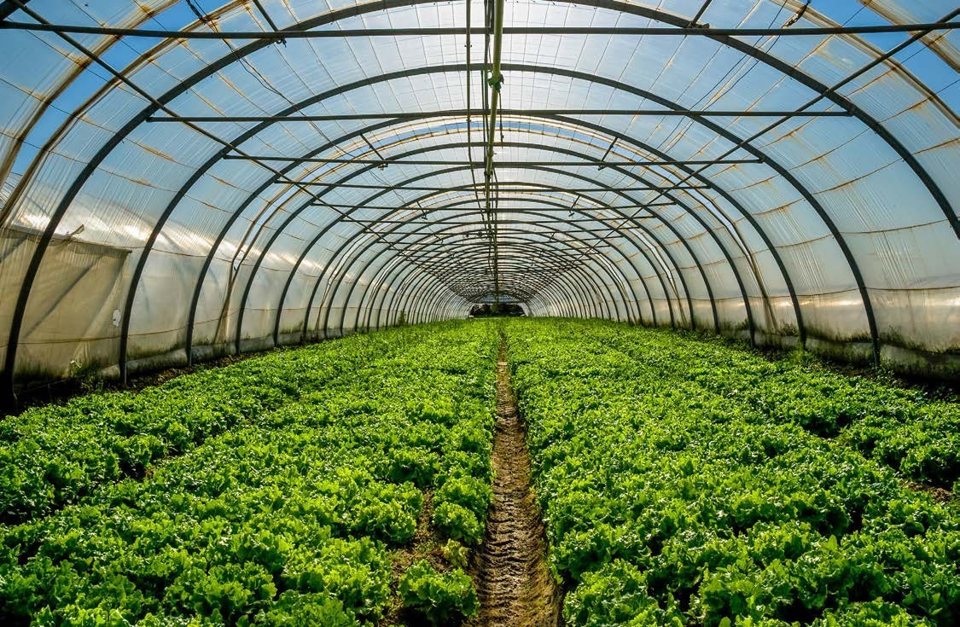
Use conditions at crop level to plan more responsive greenhouse ventilation.
 Agriculture & animals
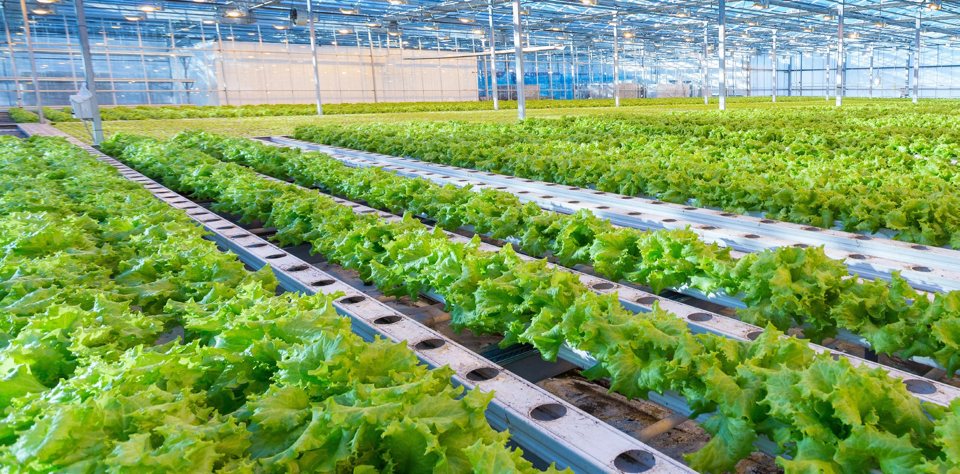
Greenhouse growing conditions
Find the hot, cold and humid pockets hidden inside one growing space.
 Agriculture & animals
Fish farms & aquaculture
Follow water temperature across tanks without relying on occasional spot checks.
Let's make it useful
A monitoring plan for your world.
Tell us what you want to protect, where it is and what you need to know. We'll help you choose a practical starting point.