
Industry & infrastructure
Pest-control heat treatments
Give treatment technicians a clearer view of temperatures across a space.
Plan your monitoring →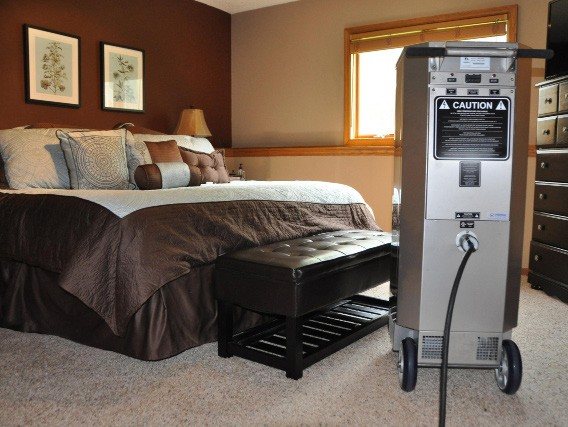
The application in practice
Reducing cable setup during thermal treatment
A closer look at the challenge, the monitoring approach and the outcome described in Monnit’s application guide.
The challenge
A pest-control company wanted to replace cumbersome runs of wired probes with a quicker way to monitor treatment temperatures. Technicians also needed records of each job.
The monitoring setup
Wireless temperature probes were combined with heater-current or vibration monitoring and door status. A gateway sent readings to iMonnit so technicians could review conditions from outside the treated area.
The reported outcome
The case reports faster setup and exportable records after comparison with the existing wired system. Treatment temperatures, exposure times and acceptance criteria remain the responsibility of the qualified treatment provider; a sensor reading alone does not establish success.
Case-study information and photography: Monnit. Reported results relate to the installation described; your project’s design and results will depend on its requirements.
A practical starting point
Measure. Understand. Act.
Where to start
Place suitably rated probes at the treatment team's designated verification points, including hard-to-heat locations. Keep radio housings within their environmental ratings.
A change worth investigating
A monitored location fails to reach the treatment plan's target or drops during the hold period.
Example scenario. Set limits and timing for your own site.Turn the alert into action
Check heater operation and probe placement, then adjust the treatment under the qualified technician's procedure.
Build your system
Measurements to consider
Use these as a shortlist. The right model depends on the range, environment, installation and accuracy you need.
Temperature
Follow heating, cooling and storage conditions over time. Match the probe range and calibration to your application.
Explore sensors →AC Current Meter
Compare electrical current patterns with known equipment operating states. Use a qualified installer.
Explore sensors →Open / Closed
Record door or window opening events and investigate prolonged openings.
Explore sensors →Plan for the real environment
Before you start
What matters for this application
Temperature monitoring alone does not certify eradication. Targets, hold times, fire precautions and re-entry decisions belong to the approved treatment plan.
How do the sensors connect?
ALTA sensors need a compatible gateway, internet connection and monitoring software. Suitable Wi-Fi models connect through a compatible Wi-Fi network. Confirm radio frequency, coverage and power arrangements at the actual installation points before choosing equipment.
Explore gateways →How quickly will an alert arrive?
Timing depends on sensor settings, reporting intervals, connectivity and notification rules. Email, SMS and voice options vary by service and plan. Test a controlled event, check that the nominated person receives it and confirm what happens if a device stops reporting.
Understand software and alerts →What should we prepare for a pilot?
Bring a site plan, the equipment or spaces to monitor, expected conditions, required accuracy and the names of the people who respond. Agree a trial period and a review date. Compare sensor readings with an appropriate reference and document any gaps in coverage or response.
Keep exploring
Related applications
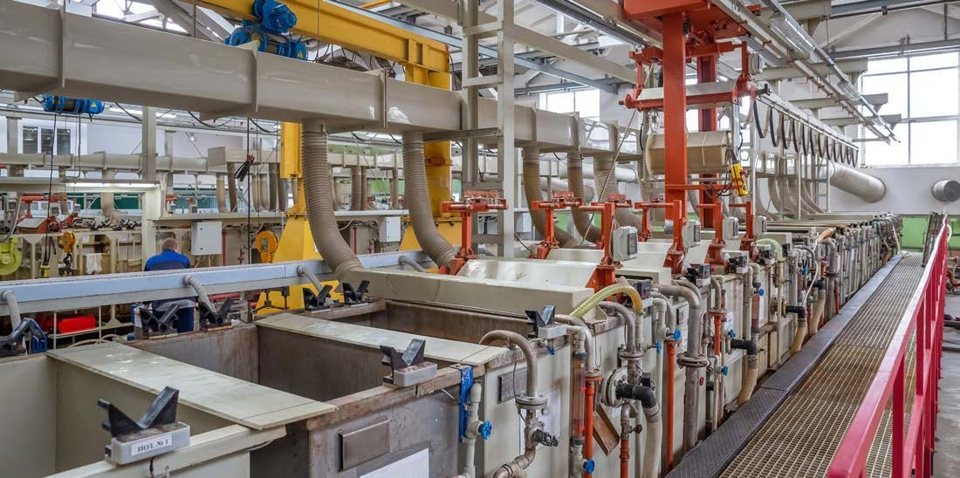 Industry & infrastructure
Predictive plant maintenance
Understand changing plant conditions before the next shift depends on them.
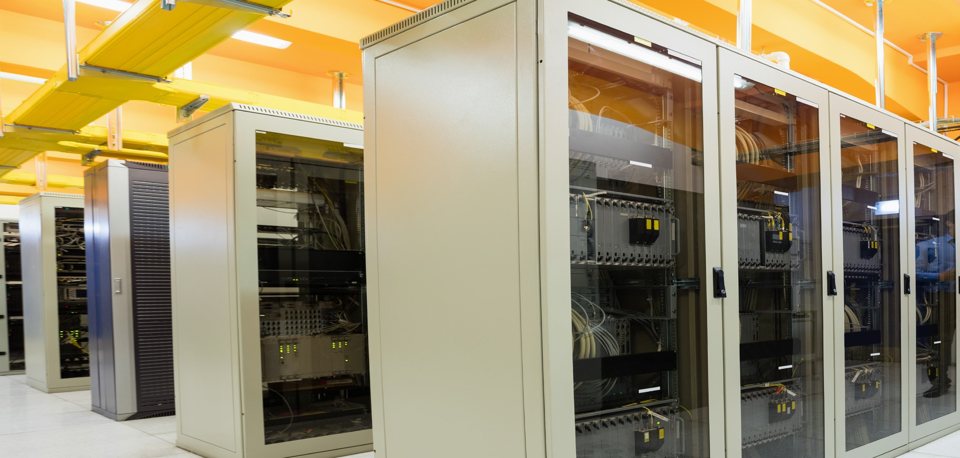 Industry & infrastructure
Server rooms & data centres
Watch the environment around the systems your business relies on.
 Industry & infrastructure
Manufacturing & production
Put equipment run patterns and changing conditions into the same conversation.
Let's make it useful
A monitoring plan for your world.
Tell us what you want to protect, where it is and what you need to know. We'll help you choose a practical starting point.